Practical ways to create a more sustainable home in Philadelphia without sacrificing style.
If you’ve been thinking about making your home more environmentally responsible, you may wonder whether sustainable design means sacrificing style, comfort, or quality. The good news is that it doesn’t.
In fact, many of the principles behind sustainable interior design actually lead to homes that feel more thoughtful, timeless, and well-designed. Sustainable choices often prioritize durability, natural materials, and intentional purchasing, all of which create spaces that age beautifully and avoid the cycle of constant replacement.
If you’re designing or renovating a home in Philadelphia, here are practical ways to create a more sustainable home without compromising the look and feel of your space.
Focus on Quality Over Quantity
One of the most important principles of sustainable home design is choosing pieces that are built to last.
Fast furniture and trend-driven decor rarely stand the test of time. Investing in well-crafted furniture, durable materials, and timeless finishes reduces waste and saves money in the long run.
Look for:
Solid wood furniture
Natural stone or durable surfaces
Quality upholstery fabrics
Well-constructed cabinetry
A thoughtfully chosen piece that lasts twenty years is far more sustainable than replacing inexpensive furniture every few seasons.
Choose natural and Responsible Materials
Materials play a major role in the environmental impact of your home. Many sustainable interior design projects prioritize natural materials that age well and require fewer synthetic treatments.
Examples Include:
Solid wood
Linen, cotton, or wool textiles
Natural stone
Ceramic tile
Low-VOC paints and finishes
These materials often improve indoor air quality while creating interiors that feel warm, layered, and timeless.
Design for Longevity Instead of Trends
Trends can be fun, but designing an entire home around short-term styles often leads to frequent updates and unnecessary waste.
A more sustainable approach focuses on timeless design foundations, such as:
Balanced proportions
Neutral material palettes
Classic architectural details
Layered textures instead of trendy finishes
When the core design of a space is timeless, smaller decorative elements can evolve without requiring a full redesign.
Reuse and Repurpose Whenever Possible
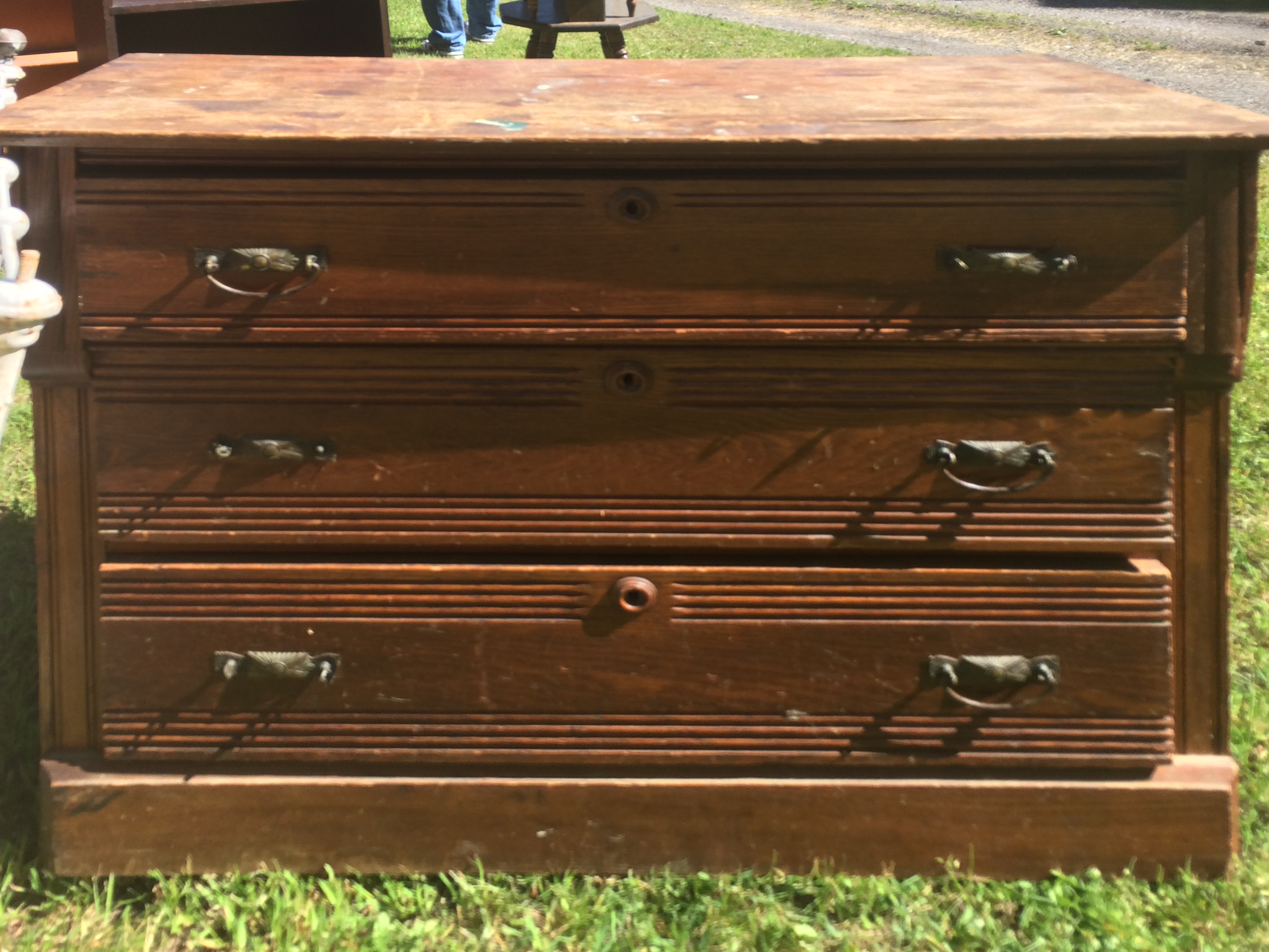
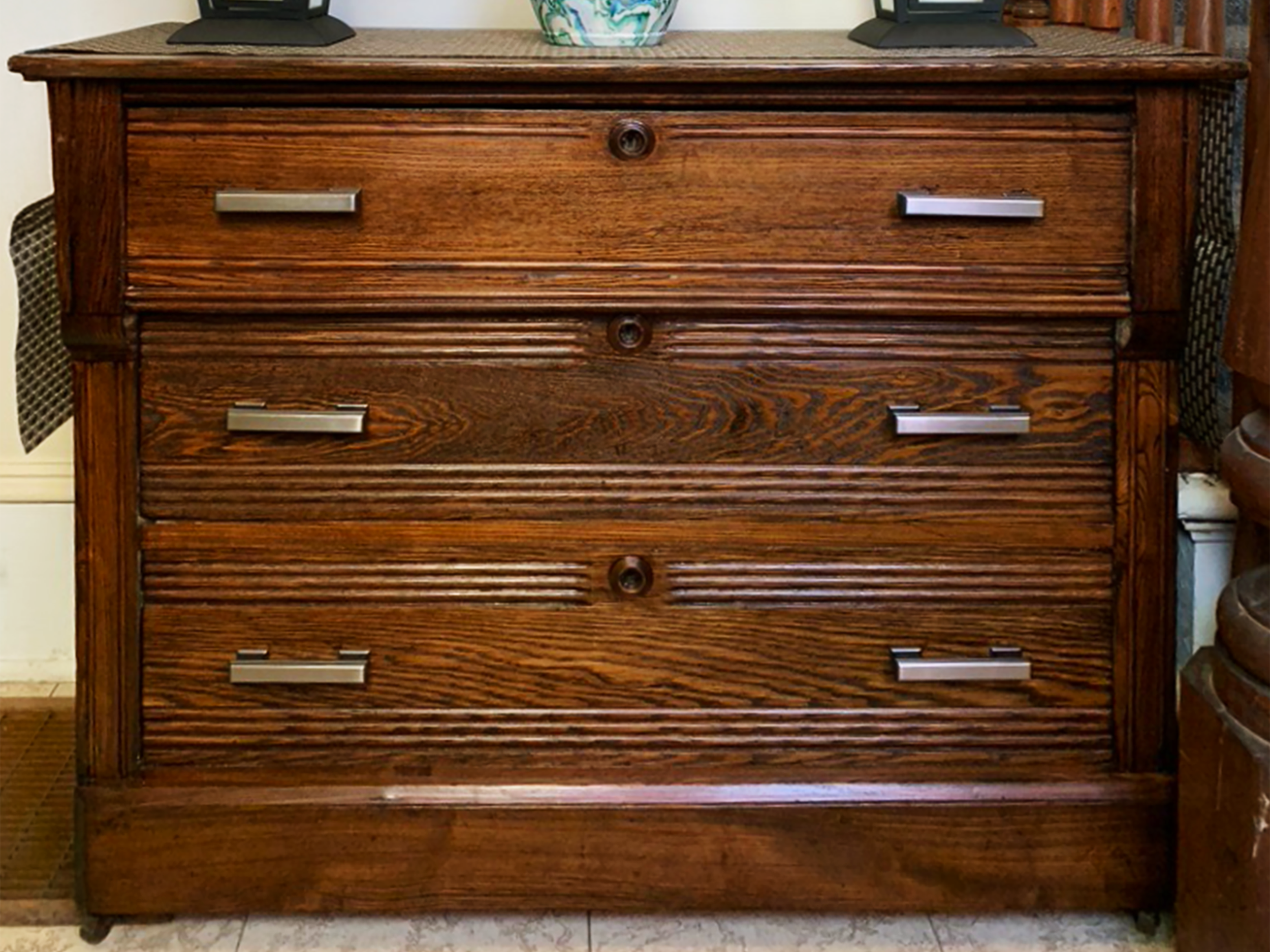
Sustainable design doesn’t always mean buying something new. In many homes, existing pieces can be refinished, reupholstered, or repurposed to fit a new design plan. Vintage and antique furniture often brings character while reducing demand for newly manufactured furniture.
Examples include:
Refinishing an existing dresser or table
Reupholstering a well-made sofa or chair
Incorporating vintage lighting or decor
Updating cabinetry instead of replacing it
Thoughtful reuse can create a space that feels more personal while reducing environmental impact.
Plan before you purchase
Many sustainability challenges come from impulse purchases or poorly planned layouts. When furniture is the wrong size, finishes clash, or rooms feel unbalanced, homeowners often replace items quickly, which increases waste and costs. A professional interior designer helps create a complete design plan before purchases are made, ensuring that each decision supports the overall design vision of the home.
Planning leads to:
Fewer design mistakes
More intentional purchases
A cohesive final result
This is one of the most overlooked aspects of sustainable interior design.
work with local vendors and craftspeople
Whenever possible, sourcing furniture, materials, and craftsmanship locally can reduce transportation impact while supporting regional businesses. In cities like Philadelphia, there are many local artisans, builders, and specialty vendors who create beautiful custom pieces and architectural details.
Local sourcing can also provide:
Better craftsmanship
Shorter lead times
Stronger relationships with trades
A more customized and personalized design
It’s a meaningful way to make your home feel more connected to its location.
Sustainable design is ultimately about thoughtful choices
At its core, fast furniture and trend-driven decor rarely stand the test of time. A more sustainable approach focuses on intentional decisions that prioritize longevity, quality, and responsible sourcing whenever possible. When a home is designed thoughtfully, it tends to last longer, require fewer updates, and better support the way you live in your home. And often, those same decisions lead to interiors that feel more beautiful, comfortable, and refined.
designing sustainable homes in Philadelphia
Homes in Philadelphia often come with unique architectural character, from historic rowhouses to modern condos. A thoughtful design approach can preserve these architectural details while introducing modern, sustainable materials and efficient layouts.
Working with an experienced Philadelphia interior designer helps homeowners balance sustainability, aesthetics, and practicality, especially when renovations, custom work, or multiple vendors are involved.
helpful resources
If you’re considering working with a Philadelphia interior designer, you may also find these articles helpful: What is Full-Service Interior Design and Benefits of Hiring an Interior Designer.
Ready to create a thoughtful, sustainable home?
At Austin Seeley Interiors, sustainability is woven into our design approach through intentional material choices, long-lasting furnishings, and thoughtful planning. If you’re considering a renovation, furnishing project, or full home redesign, the best place to begin is with a Design Consultation with Austin Seeley Interiors.
During this session, we:
Discuss your goals and lifestyle
Evaluate your existing space
Explore design possibilities
Create a clear plan for moving forward
Book your Design Consultation below to begin designing a home that feels beautiful, functional, and built to last.